How and why publishers, graphic designers, and marketing teams deliberately use color psychology when selecting book covers to influence buyer emotions, signal genre expectations, and increase sales potential?
How color psychology is used in book design?
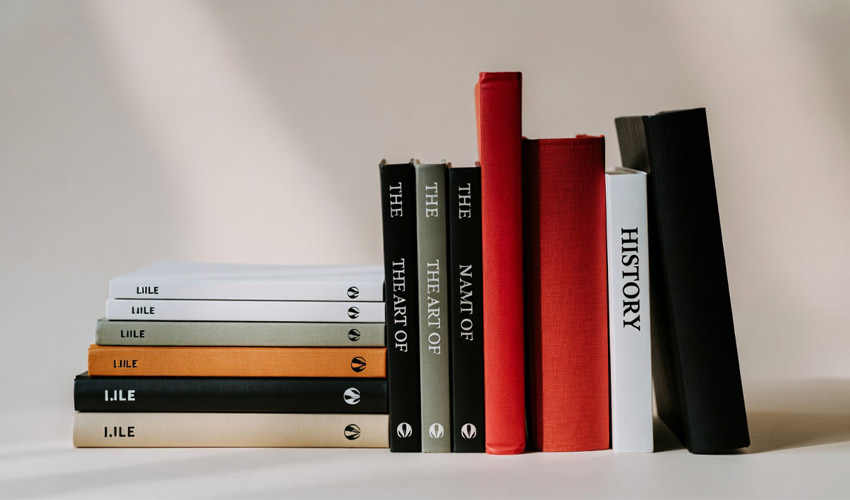
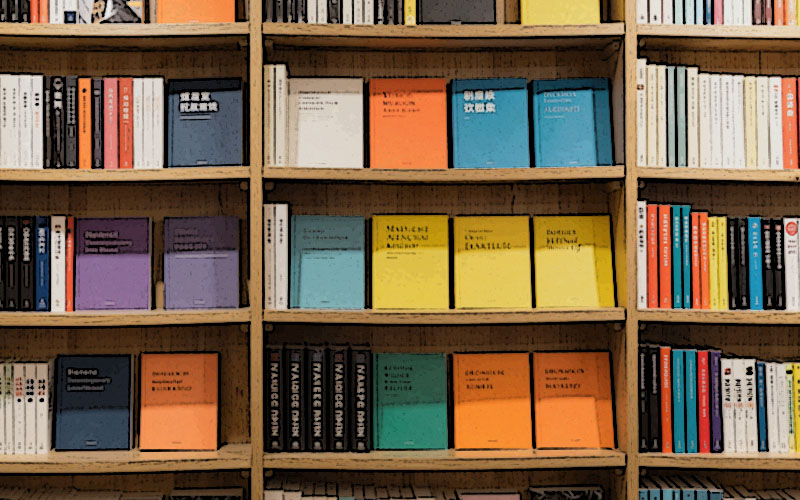
Genre signaling: Readers have strong color expectations. A bright pink cover signals romance, while a dark, moody cover with deep reds/blacks signals horror or psychological thriller. Deviating from these can be risky, or perhaps a bold and tactical marketing choice.
Market testing: Many publishers use A/B testing or focus groups to evaluate cover colors. Data from retailers like Amazon shows how certain color palettes perform in specific genres.
Evidence and Examples
Design resources (e.g., from Canva, 99designs, or books like The Psychology of Color by Eva Heller) frequently cite book covers as a prime application. Bestsellers often follow patterns: Think of the stark black/white/red of many crime thrillers (e.g., Stieg Larsson’s Girl with the Dragon Tattoo series) or the bright, optimistic tones of many business books.
In self-publishing (especially on Amazon KDP), authors are strongly advised to research “competitor covers” in their genre and align color choices accordingly for visibility and click-through rates.
Red: Passion, Danger, Energy, Urgency
Red grabs attention and signals high-stakes emotions, ideal for intense or exciting stories.
Thrillers/Horror/Suspense: “IT” by Stephen King (black + red) evokes blood, danger, and evil. Many psychological thrillers use red tones for tension. Romance: Bold reds for passion and heat. Example: An Unexpected Valentine by Linda Goodnight (red-dominant contemporary romance cover).
General: Used for urgency in time-sensitive nonfiction or fiery fiction.
Blue: Trust, Calmness, Intelligence, Serenity
Blue conveys reliability and peace, perfect for thoughtful or reassuring reads.
Self-Help & Nonfiction: Common for business, self-improvement, and psychology books (e.g., calm blues for trust and guidance). History/Exploration: Endurance: Shackleton’s Incredible Voyage by Alfred Lansing (blue tones for Arctic themes and resilience). Mystery/Thriller: Darker blues for depth and intrigue.
Black: Mystery, Power, Elegance, Sophistication
Black suggests darkness, intrigue, or premium quality, highly versatile for moody or high-end vibes.
Thrillers & Horror: Pairs with red for danger (e.g., many Stephen King covers or crime novels). Literary Fiction & Mystery: Evokes sophistication and “things that go bump in the night.” Nonfiction: Business or philosophy books for authority.
These warm colors feel approachable and uplifting.
Feel-Good Fiction & Self-Help: Yellow for positivity and sunshine (common on motivational or light-hearted nonfiction). Children’s Books: Alice’s Adventures in Wonderland editions often use yellow, blue, or pink for curiosity and whimsy. Business/Creativity: Orange for enthusiasm and energy.
Green: Growth, Nature, Harmony, Freshness
Green links to renewal and tranquility.
Fantasy: Lush greens for magical worlds or nature themes. Environmental/Health Nonfiction: Peaceful greens for growth and well-being. Other: Used in some paranormal or vitality-focused stories.
Purple: Royalty, Mystery, Spirituality, Luxury
Purple signals magic, creativity, or a premium feel.
Fantasy: Jewel tones and purples with metallics for wonder (e.g., many epic fantasy covers). Romance/Spiritual: Soft purples for tenderness or introspection.
Romance: Pinks and pastels for tenderness and fun (e.g., Red, White & Royal Blue uses pink prominently for romance with patriotic accents).
Self-Help/Spiritual: White or pastels for purity and new beginnings. White also suggests openness, being open to suggestion and learning. This makes it ideal for self-help and educational books. Because it can suggest fresh starts, white is also commonly used for books related to start-up businesses.
Looking into the psychology of colors in branding and marketing, color psychology can be a powerful tool in the world of marking and branding. As a consumer, we often don’t think about the influences of color. Color influences us unconsciously and it can mean the difference between buying a particular product or not. Different colors…
What colors look really good together? You can combine different colors to achieve a great looking logo. The color combinations here can be used in branding and logo designs. The correct color choice for your logo will not only be aesthetically pleasing which gains attention, it can give instant information about a product or business….
How important is your color scheme when creating a website? The answer is very important. The scheme or visual aspects of a website, including the color of that website is incredibly important in many ways. Colors are associated with different meanings and influences, and they can instantly give a visitor information about what a website…
What are color trends and where do they come from? Color trends are basically preferences for certain colors, or combinations of certain colors which have become popular. Color trends can influence fashion, interior and exterior home design, graphic design, technology like phones, computers, as well as website design and marketing, including digital marketing. Where do…