What are cells, including how they are made up, or what do they consist of, and why do they have different colors?
Cells are the basic building blocks of all living things. They are the smallest units that can be considered truly alive.
What do cells consist of?
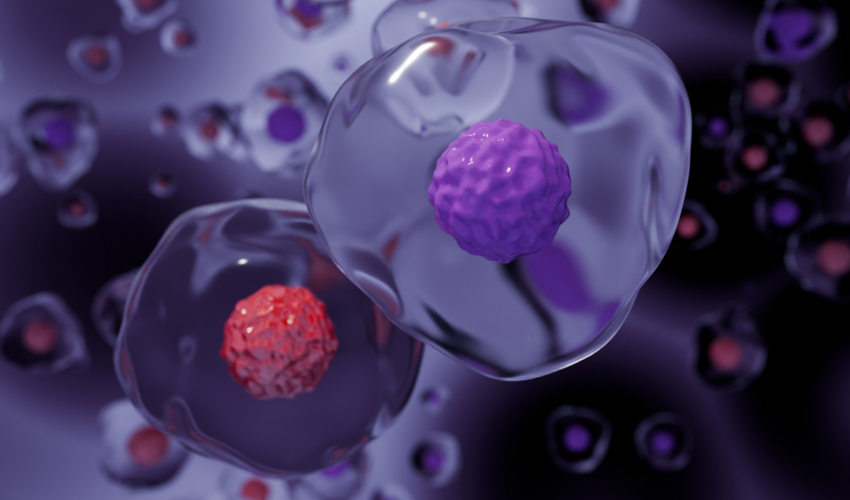
Cell membrane: (Phospholipid bilayer) that controls what enters and exits the cell. This is the outer part of the cell. The membrane is often illustrated as a transparent, water-like external shell.
Nucleus: Contains DNA. This is the internal part of the cell that is commonly illustrated.
Cytoplasm: Jelly-like fluid where organelles float.
Mitochondria: Powerhouse for energy production.
Ribosomes: Protein factories.
Cells are primarily composed of water (about 70-80% of a cell’s mass), which is essential for chemical reactions.
Organic molecules (macromolecules) aka proteins (50-60% of dry mass).
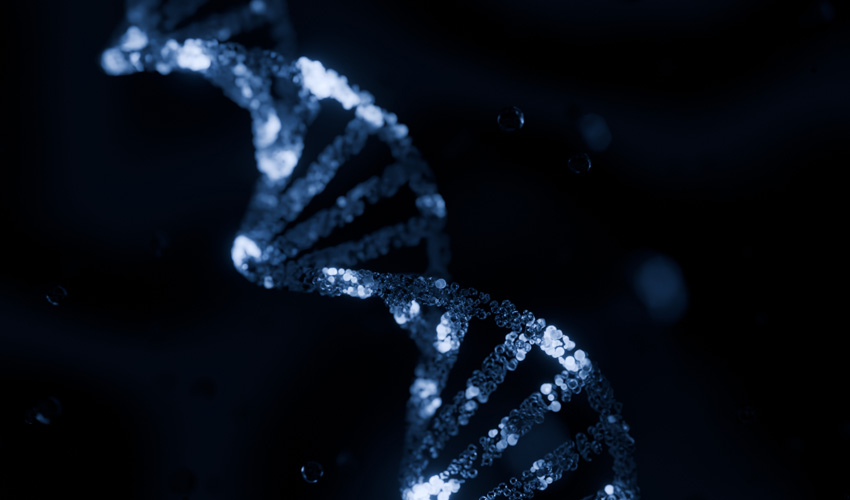
Nucleic acids (DNA and RNA), for carrying genetic information and direct protein synthesis.
For structure, enzymes, transport, and signaling. Lipids (fats), mainly in the cell membrane.
Carbohydrates, for energy storage and structure (for example, cellulose in plants).
Inorganic molecules, ions like sodium, potassium, calcium, and trace elements.
Cells have key structural components (organelles in eukaryotic cells).
Do cells have different colors?
In short, yes, cells can have different colors, but it depends on the type of cell, the organism, and whether we’re talking about their natural state or how they appear under a microscope.
Most cells are transparent or colorless because they consist mainly of water, proteins, lipids, and other molecules that don’t absorb visible light strongly. They appear clear when viewed unstained under a microscope.
However, some cells do have natural colors due to specific pigments.
Red blood cells
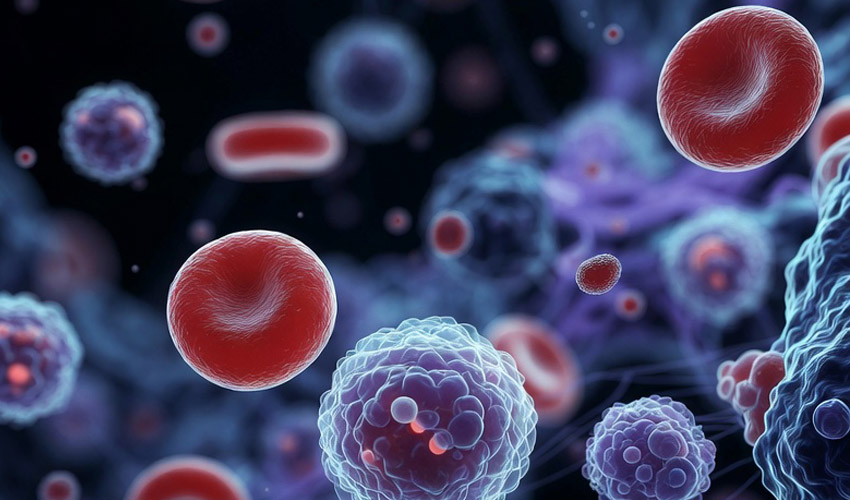
Red blood cells actually appear colorless, unlike the above illustration. However, when billions of red blood cells are packed together (as in whole blood), the collective color appears bright red. This is because of haemoglobin. Haemoglobin is an iron-containing protein that binds to oxygen.
White blood cells
White blood cells mostly appear clear or transparent. However, when stained they appear mostly purple and blue.
Skin, hair, and eye cells (melanocytes)
These cells can be brown, black, or other shades due to varying amounts of melanin. More melanin equals a darker color; less equals lighter, like blue eyes from light scattering.
Plant cells
Plant cells are often green in leaves due to chlorophyll in chloroplasts (for photosynthesis). Some plant cells can be red, purple, or orange from other pigments like anthocyanins.
Fat cells
Fat cells can appear yellowish; some algal cells are brightly colored from various pigments.
Under a Microscope (Often Stained)
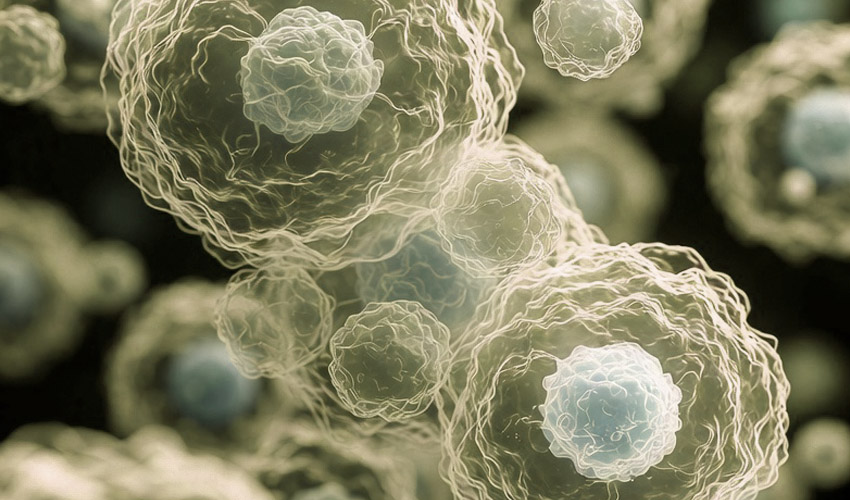
Unstained living cells usually look like faint, transparent blobs with little visible detail. To make structures easier to see, scientists use stains (dyes) that bind to specific parts of the cell: common H&E stain (hematoxylin and eosin): Nuclei appear purple/blue, cytoplasm pink, which creates contrasting colors that highlight differences between cell types or tissues.
Other stains can make organelles glow in fluorescent colors (for example, green for proteins, red for DNA). These colors are artificial, added for visibility, and not the cell’s natural color.
Summary
While many cells are naturally colorless, different cell types across organisms do exhibit a range of colors due to pigments, and we often enhance or add colors artificially for study.