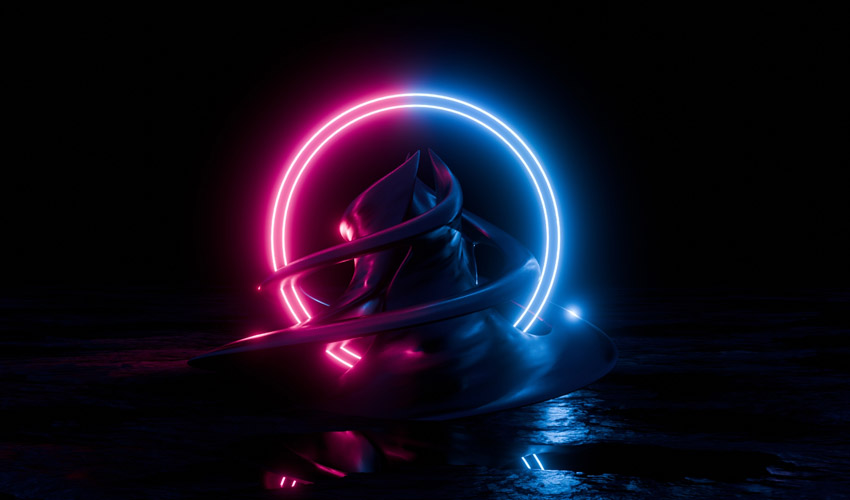
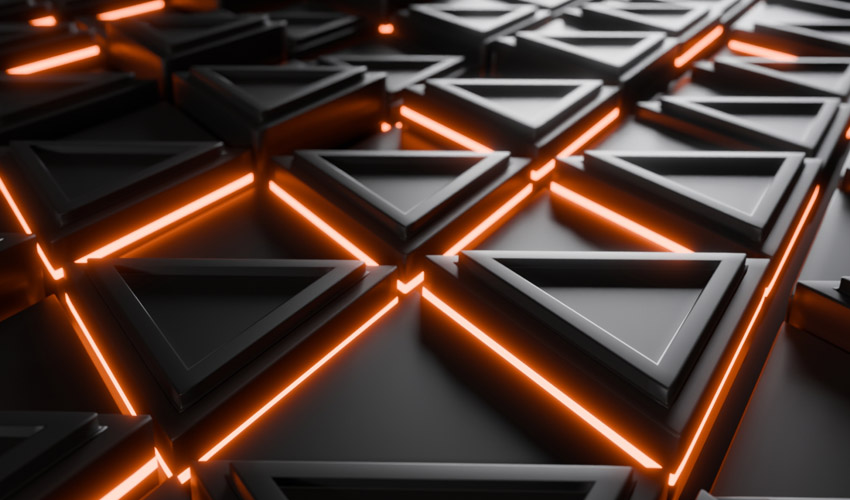
I’m fascinated with abstract 3D designs, including geometric patterns, shapes, shadows, and, of course, the bright and vivid colors.
Why do people like abstract art?
People are drawn to abstract art for several reasons, rooted in psychology, culture, and personal experience:
Emotional Resonance: Abstract art evokes feelings without literal representation. Its shapes, colors, and textures can stir emotions or memories, allowing viewers to project their own experiences onto the work. Studies, like those from the University of Amsterdam (2018), show abstract art activates brain regions tied to emotion and imagination more than representational art.
Being high on trait openness (big five personality traits) is very likely a factor. Those high in openness can be driven by their imaginations and have a strong interest in aesthetics.
Interpretive Freedom: Unlike realistic art, abstract pieces don’t dictate a single meaning. This ambiguity invites viewers to create their own narratives, making the experience personal and engaging. A 2014 study in Frontiers in Human Neuroscience found people enjoy art more when they feel free to interpret it.
Visual Stimulation: Bold colors, dynamic forms, and unconventional compositions can be visually striking. The brain’s visual cortex responds to contrast and complexity, as shown in neuroimaging research (e.g., Zeki, 1999), making abstract art inherently captivating for some.
Cultural and Intellectual Appeal: Abstract art is often tied to modernity, rebellion, or innovation (think Kandinsky or Pollock). Liking it can signal sophistication or alignment with avant-garde values. Art market data from Sotheby’s (2023) shows abstract works consistently fetch high prices, reflecting cultural prestige.
Expression of the Ineffable: Abstract art captures ideas or states—like chaos, joy, or spirituality—that are hard to depict realistically. For example, Rothko’s color fields aim to evoke transcendence, resonating with viewers seeking deeper meaning.
Context and Novelty: Museums, galleries, or social trends can frame abstract art as exciting or profound. People may like it partly because it’s celebrated or because it challenges norms, offering a fresh way to see the world.
3D Abstract Art & Colors
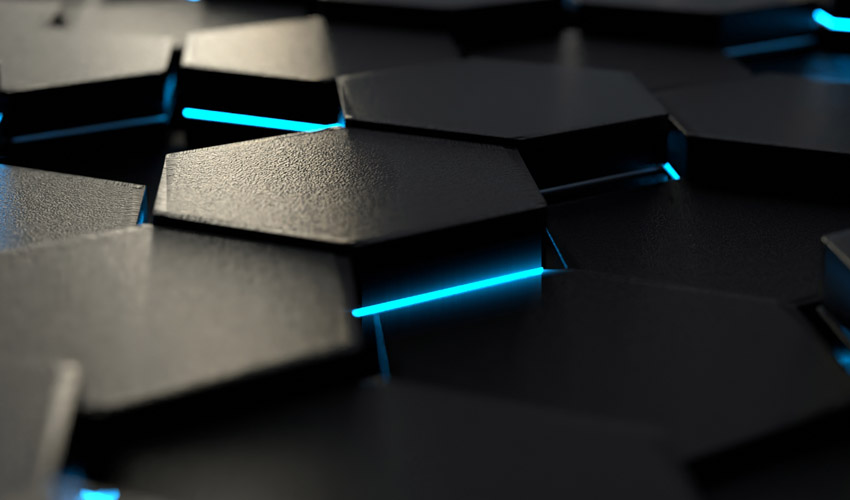
Color is so important in abstract art, and in 3D design there is perhaps no better way of displaying and utilizing vivid colors.
For those that really like 3d abstract designs, as well as the above description, there is also a modern tech aspect to it. These types of designs are common in the digital world, such as default wallpapers on our computer devices.
In terms of personality, it comes from a combination of openness, and having a strong interest in things over people, and being introverted.