What are some of the most iconic movies and moments to use color for artistic and symbolic reasons in the history of film?
Selective Color in Sin City (2005)

Robert Rodriguez’s adaptation of Frank Miller’s graphic novels is shot almost entirely in black-and-white, with deliberate pops of color. Such as, bright red lips, yellow skin on a character, a red dress, or blood. These isolated striking colors heighten violence, sensuality, or key character traits. It does a good job of mimicking the comic book aesthetics while emphasizing moral ambiguity.
The Girl in the Red Coat in Schindler’s List (1993)
Steven Spielberg’s otherwise black-and-white Holocaust drama features a single splash of red on a young girl’s coat as she wanders through the Kraków ghetto liquidation. Later, the same red appears on her lifeless body amid a pile of corpses. The color draws the eye from the viewer and the character (Oskar Schindler), symbolizing lost innocence, humanity amid horror, and the selective visibility of tragedy. It’s a masterclass in minimalism. Red depicts and symbolizes both life and death.
The Green Code of The Matrix (1999)
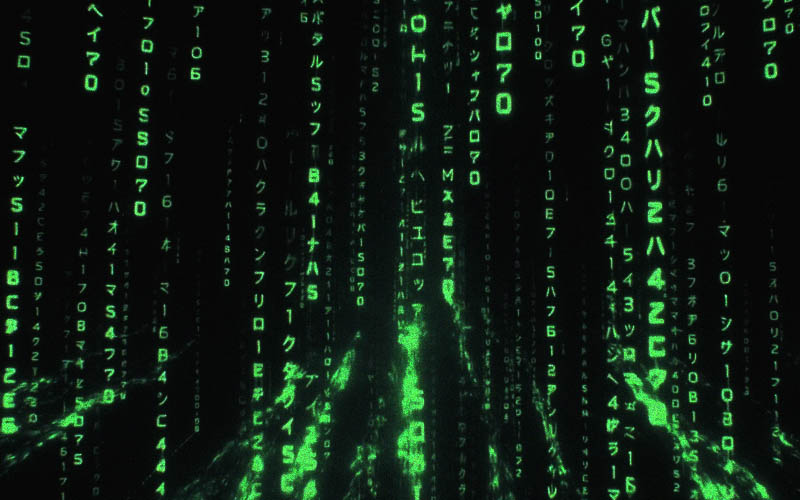
The virtual reality world is bathed in a distinctive green tint, evoking retro-style computer monitors and digital artificiality. The real world is desaturated and bleak. This palette instantly signals the simulated vs. authentic divide and becomes a defining cyberpunk style visual.
Characters “Waking Up” to Color in Pleasantville (1998)
This satire about 1950s sitcom ideals starts in crisp black-and-white. As characters experience emotion, passion, or rebellion (sex, art, books, questioning authority), they gradually turn to full color while the world around them stays colorless. The selective colorization, which was a great technical feat at the time, visually represents personal awakening, awareness and the breakdown of conformity.
Yellow in Kill Bill (2003)
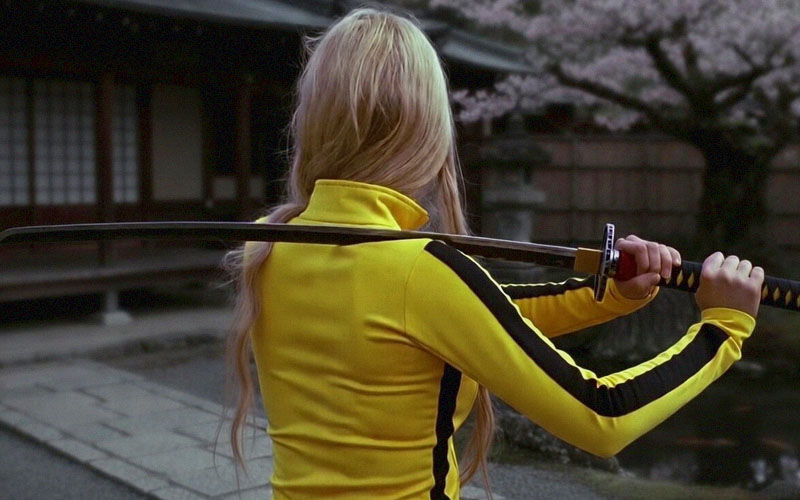
Quentin Tarantino drenches Uma Thurman’s Bride in a bright yellow tracksuit, plus, other uses of yellow to evoke madness, vengeance, and cartoonish energy. It contrasts with blood and stands out against varied settings. Yellow amplifies her relentless determination for revenge.
Neon & Atmospheric Palettes in Blade Runner (1982) & Blade Runner 2049 (2017)
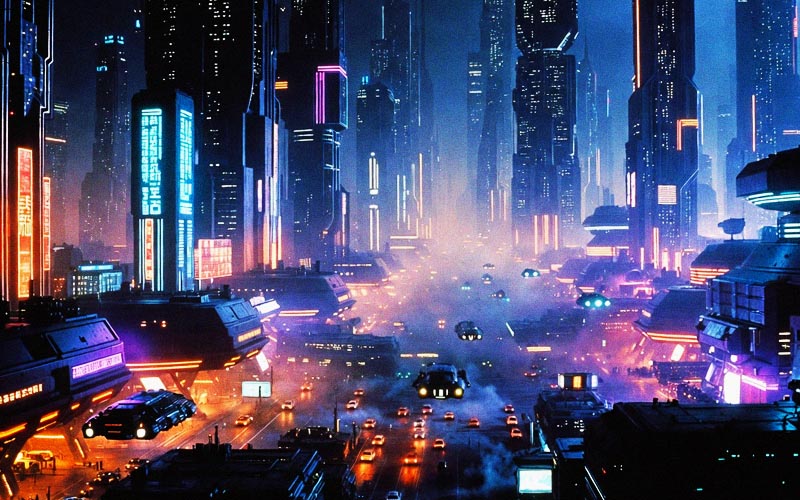
Ridley Scott’s original used rain-soaked blues, purples, and oranges for a dystopian cyberpunk mood. Denis Villeneuve’s sequel amplified this with striking orange and yellow dust storms. Plus, pinks and purples for amplifying sensuality, and generally helping to create immersive and symbolic worlds.
Other Color Movie Moments
Other worthy mentions include the explosive, over saturated primaries in Dario Argento’s Suspiria (1977), Wes Anderson’s meticulously symmetrical pastels (The Grand Budapest Hotel), the fiery oranges and desaturated tones of Mad Max: Fury Road, and Pedro Almodóvar’s vibrant reds symbolizing passion.
Color in these moments isn’t just for decorative reasons, it’s narrative, emotional, and sometimes suggests technological innovation. Directors and cinematographers have long understood that a single hue or shift can linger in viewers’ minds long after the credits roll.